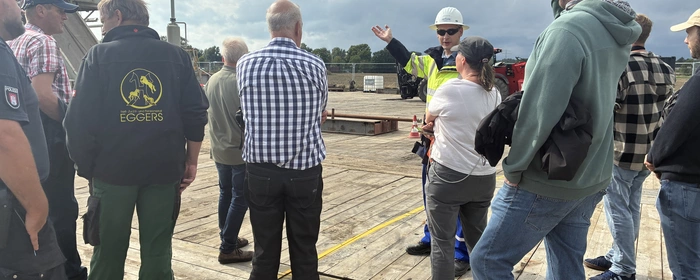
Information day in Hamburg: Plugging and abandonment explained on site
80 wells, 69 former well sites and around 30 kilometres of field pipelines: the Hamburg-Reitbrook decommissioning project is one of Neptune Energy’s largest decommissioning projects currently underway in Germany. At the information day in September, experts explained the individual stages of the project and answered questions from local residents.
Now that production at the Reitbrook-Alt field has ceased, the final stage in the life cycle of oil production is underway: the safe plugging of the wells, the plugging and abandonment of the infrastructure and the restoration of the land for future use.
At several information points, those involved in the project explained how former wells are gradually transformed back into usable land. They described the refurbishment of the central field stations, the plugging of the wells, the removal of the field pipelines and the subsequent land restoration. Guided tours of the project sites, including a visit to the current well-capping winch, made the individual work stages clear and tangible on site.
“The information day serves to share knowledge, but also to facilitate personal exchange,” says Silke Bender, spokesperson for the decommissioning project, adding: “We want to answer questions at an early stage and actively engage in dialogue with the local community. Good local cooperation is an important part of the project for us.”


From plugging and abandonment to reuse
During the on-site discussions, the guests were given an insight into the technical process involved in the project. Once the decommissioned production sites have been prepared, the production pipes are first removed from the wells. Specialists then seal the wells using a specialised winch, deep-drilling cement and several additional safety barriers. This is followed by plugging and abandonment of the facilities, removal of the pipelines and recultivation of the land. The aim is to restore the land to a usable state and return it to its respective owners.
All measures are carried out in consultation with the relevant authorities and in accordance with the applicable mining regulations. The State Office for Mining, Energy and Geology (LBEG) supervises and approves the work.
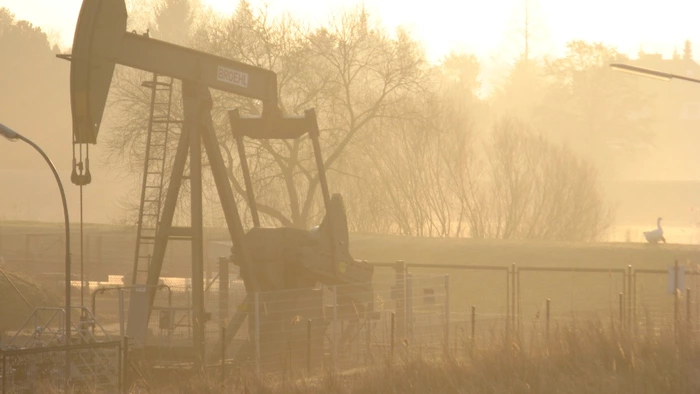
For many decades, the Reitbrook field was part of Hamburg’s energy history. The first discovery of natural gas near Neuengamme in 1910 was followed by oil production from 1937, the operation of the natural gas storage facility and, finally, the end of production in 2021. To preserve a part of this industrial history, Neptune recently donated one of the old ‘horse-head pumps’ to the Kiekeberg Museum. “We are delighted that the pump has found a permanent home in the open-air museum. This ensures that a piece of the region’s oil history is preserved for the public,” said Bender.
Today, however, the focus is no longer on production but on the backfilling campaign. The information day offered the opportunity to gain a close-up understanding of this transition and the steps involved. With plugging and abandonment, the field is now writing a new chapter in its history.
About Neptune Energy
Neptune Energy is one of Germany’s leading commodities companies. With over 135 years’ experience, we ensure a secure supply for industry and society. Our goal: Today we produce what counts tomorrow. Around 460 employees across many regions of Germany and at our head office in Hanover are committed to three key areas of activity
Base – Gas & Oil: the safe and reliable production of domestic energy resources
Balance – plugging andabandonment: taking responsibility for the past and restoring nature
Boost – New Energy: actively shaping the future, for example with lithium from Germany
This is how we combine experience with progress. Neptune Energy’s revenue for the 2025 financial year stood at 332 million euros (IFRS). Total annual production of gas and oil amounted to 5.9 million barrels of oil equivalent (boe).

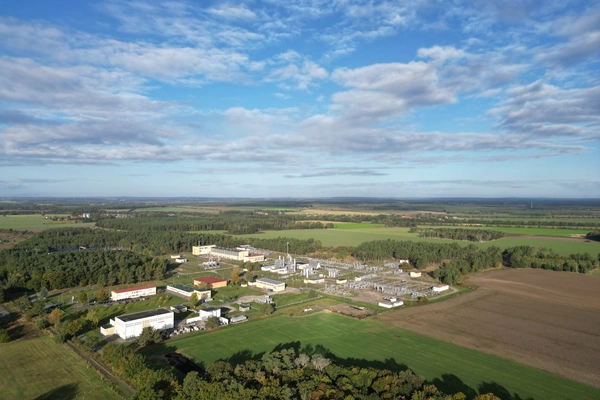
Routine maintenance work on natural gas well
Neptune Energy will be carrying out routine maintenance and servicing work on the PES 178 natural gas well in the coming weeks.
learn more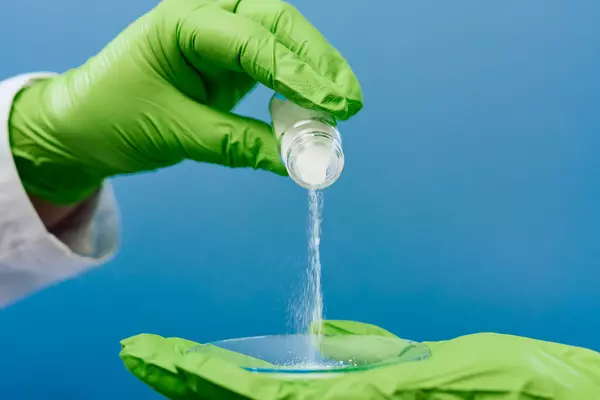
European Commission selects Neptune Energy’s lithium project as a strategic project
The European Commission has selected Neptune Energy’s Altmark Lithium Extraction (ALE) project as a Strategic Project under the Critical Raw Materials Act (CRMA).
learn more
From old burdens to new life
Neptune Energy has excavated and restored two basins at the disused Victorbur drilling mud disposal pit in Großheide.
learn more