European Commission selects Neptune Energy’s lithium project as a Strategic Project
The European Commission has selected Neptune Energy’s Altmark Lithium Extraction (ALE) project as a Strategic Project under the Critical Raw Materials Act (CRMA). With this regulation, which came into force in May 2024, the European Union aims to secure its long-term supply of critical raw materials and reduce its dependence on imports. The selected projects in the fields of raw material extraction, processing and recycling are intended to make a significant contribution to this and have been classified by the European Commission as particularly relevant.
“The status as a Strategic Project confirms the Altmark region’s potential for European raw material security and gives us a boost as we take the next steps in the project’s development,” says Andreas Scheck, Neptune Energy' CEO. “Europe needs its own reliable and sustainable sources of critical raw materials, as well as the development of downstream value chains. Our lithium project can play an important role in this whilst also creating new industrial opportunities for Saxony-Anhalt and Germany. The European Commission has confirmed this with its decision.”
A total of 171 project applications were submitted to the European Commission as part of the second selection round. The 46 selected projects are set to benefit several aspects, from fast-track approval procedures and improved access to funding opportunities. The selection was based on an assessment carried out by independent experts from the fields of technology, finance, environmental, social and governance (ESG) standards, and the United Nations Classification of Minerals (UNFC).
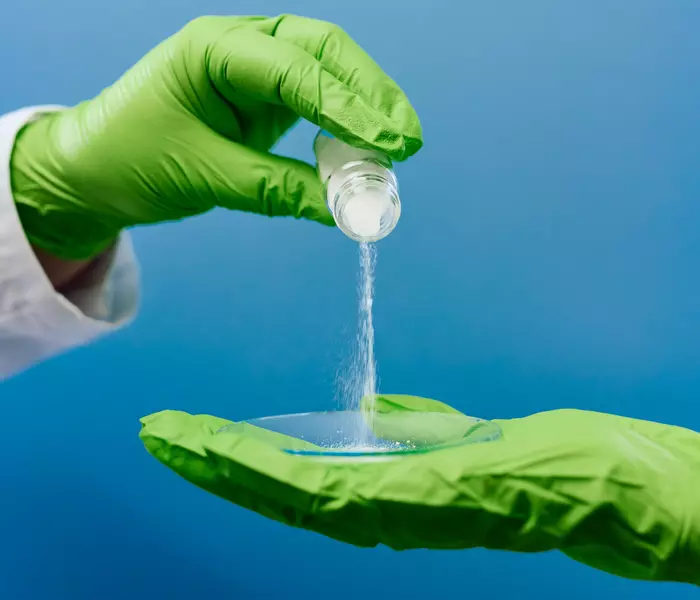
Neptune Energy is currently working on optimising the adsorption process as part of Pilot Phase II of its ALE (Altmark Lithium Extraction) project. Lithium is extracted from thermal water in the Altmark region using Direct Lithium Extraction (DLE). The process enables lithium extraction that is particularly space- and resource-efficient as well as offering the opportunity to produce this critical raw material in Germany in accordance with high environmental standards.
“Europe’s competitiveness is not determined by individual raw material projects, but by the interaction over the entire value chain,” says Axel Wenke, Director of New Energy at Neptune Energy. “Our aim is to be part of a regional value chain that extends from the raw material itself, its processing, the manufacture of battery components right through to recycling.”
Lithium is a key raw material for high-performance batteries, energy storage systems and electric mobility. With an estimated potential of 43 million tonnes of lithium carbonate equivalent (LCE), the deposit in the Altmark region is one of the most significant known lithium brine deposits worldwide. In the 2030s, up to 25,000 tonnes of LCE are expected to be produced annually. This corresponds to the lithium requirements of around 500,000 electric vehicles per year.
About Neptune Energy
Neptune Energy is one of Germany’s leading commodities companies. With over 135 years’ experience, we ensure a secure supply for industry and society. Our aim: Today we produce what counts tomorrow. Around 460 employees across many regions of Germany and at our head office in Hanover are committed to three key areas of activity
Base – Gas & Oil: the safe and reliable production of domestic energy resources
Balance – plugging andabandonment: taking responsibility for the past and restoring nature
Boost – New Energy: actively shaping the future, for example with lithium from Germany
This is how we combine experience with progress. Neptune Energy’s revenue for the 2025 financial year stood at 332 million euros (IFRS). Total annual production of gas and oil amounted to 5.9 million barrels of oil equivalent (boe).

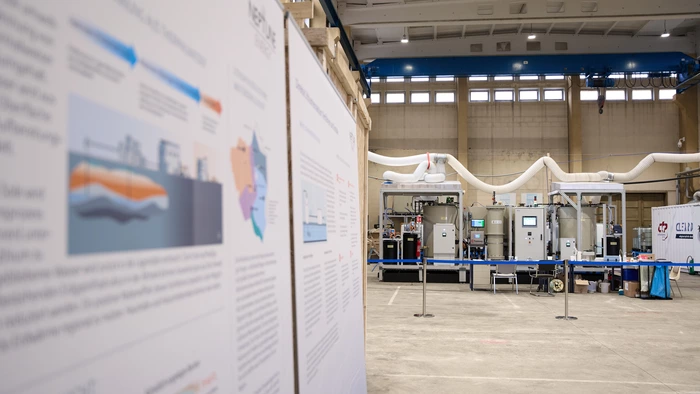
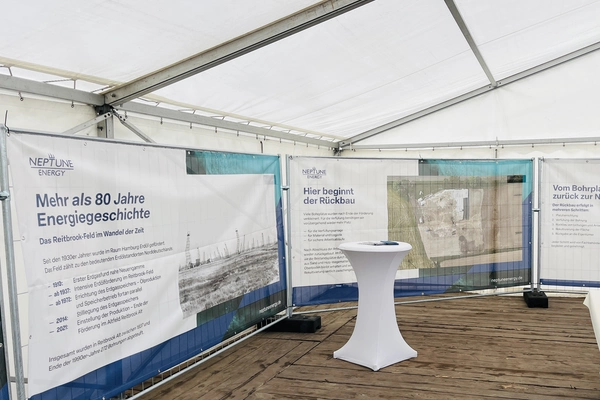
Information day in Hamburg: Plugging and abandonment explained on site
80 wells, 69 former well sites and around 30 kilometres of field pipelines: the Hamburg-Reitbrook decommissioning project is one of Neptune Energy’s largest…
learn more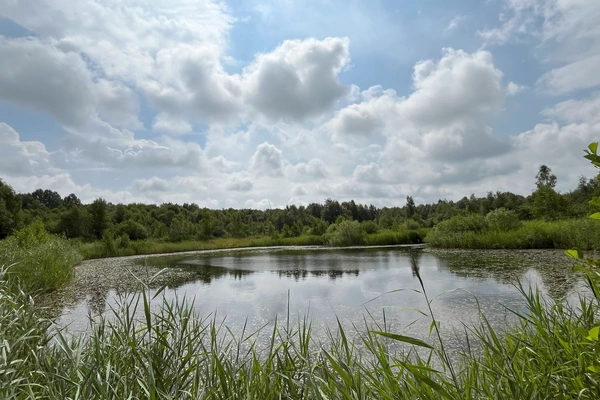
From old burdens to new life
Neptune Energy has excavated and restored two basins at the disused Victorbur drilling mud disposal pit in Großheide.
learn more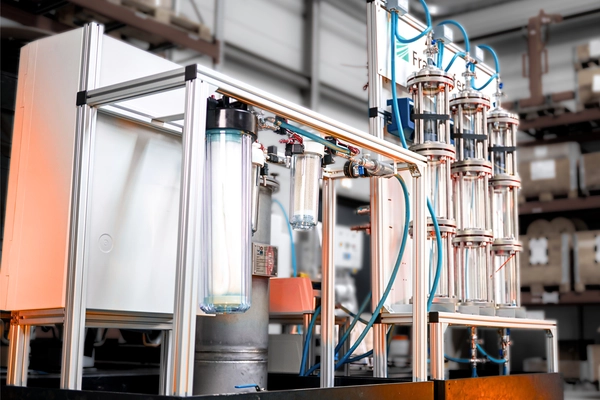
Neptune Energy launches Pilot Phase II for lithium from the Altmark region
In collaboration with Fraunhofer IEG, Neptune is testing new materials for the direct extraction of lithium from brine.
learn more