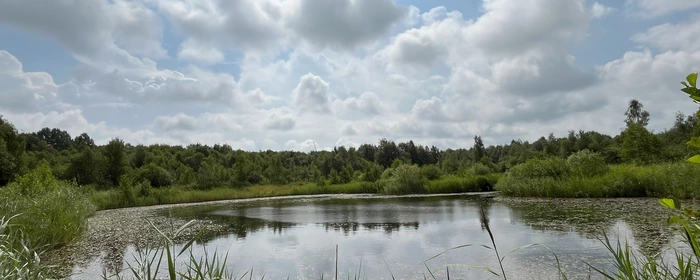
10,000 square metres of new biotope area, around 40,600 tonnes of material removed and more than 17,000 hours of work carried out: this is how the plugging and abandonment of two basins at the disused Victorbur used drilling mud disposal pit can be summarised in figures. Together with several specialist contractors, Neptune Energy carried out the work at the site on Zum Königskeil in Großheide. The site was decommissioned in June. It is already evident today how a new habitat for plants and animals is developing on the restored land.
“We are very satisfied with the outcome of the work,” says Neptune Energy project manager Sven Schulz. “I am particularly pleased that the population of rare orchids actually grew during the construction work.” The protected plants had been relocated to another site on the grounds before work began.
“We would particularly like to thank local residents for their interest and understanding during the construction phase. We are aware that the lorry traffic had a noticeable impact at times,” says Schulz. Neptune Energy will cover the costs of the damage caused to the access road during the construction work.
The project did not always run without challenges. Winter weather conditions and, at times, restricted waste disposal routes led to occasional delays in the construction process. Overall, however, Neptune Energy was able to complete the project on schedule and, above all, without any workplace accidents.


A look back at the construction project
The actual decommissioning work was preceded by the expansion of the existing groundwater monitoring system around the used drilling mud disposal pit. In spring 2025, Neptune Energy, together with the specialist contractors it had commissioned, began work on site.
First, the team set up the construction site and removed the reusable soil cover from the two basins. The specialist contractors temporarily stored the peat-rich soil for later reinstatement. They then mixed the material contained in the basins with a cement-based binder to achieve the stability required for transport.
Based on laboratory analyses, experts allocated the materials to suitable disposal facilities. The material was then transported away from the site in covered lorries. Once clearance was complete, independent assessors checked whether the specified remediation standards had been met at the base of the excavations.
In the final stage, Neptune Energy converted the former basins into shallow-water biotopes. To this end, the embankments were levelled and the areas were shaped using suitable soil material and the topsoil that had previously been temporarily stored. This created a new habitat for plants and animals covering around 10,000 square metres.
Even after the work has been completed, Neptune Energy remains active at the site. A consultancy firm is currently analysing the groundwater at three-monthly intervals to continue monitoring the site’s development and to document the success of the decommissioning measures.
Background to the construction project
In the past, residues from crude oil and natural gas production were stored in so-called used drilling mud disposal pits in accordance with the state of the art at the time and under regulatory supervision. Today, the resulting volumes are either directly reused or disposed of in accordance with the requirements of circular economy legislation. Temporary storage no longer takes place.
The Preußische Bergwerks- und Hütten-Aktiengesellschaft, a predecessor company of Neptune Energy, commenced operations at the Victorbur used drilling mud disposal pit in 1963. Until 2005, residues from oil and natural gas production were stored there, including non-recyclable drilling fluids and rock particles generated during the drilling process.
The Victorbur pond system consists of a total of seven individual basins. Following completion of the current works, four basins have been cleared and reclaimed. Two further basins have been fitted with a certified waterproof lining.
Neptune Energy decided to carry out the most recent construction work after so-called pile-core sampling revealed oil residues in basins 1 and 2. This was followed by the complete excavation of this area of the former landfill site.
About Neptune Energy
Neptune Energy is one of Germany’s leading commodities companies. With over 135 years of experience, we ensure a secure supply for industry and society. Our goal: Today we produce what counts tomorrow. Around 460 employees across many regions of Germany and at our head office in Hanover are committed to three key areas of activity
Base – Gas & Oil: safe and reliable production of domestic energy resources
Balance – plugging andabandonment: taking responsibility for the past and restoring nature
Boost – New Energy: actively shaping the future, for example with lithium from Germany
This is how we combine experience with progress. Neptune Energy’s revenue for the 2025 financial year stood at 332 million euros (IFRS). Total annual production of gas and oil amounted to 5.9 million barrels of oil equivalent (boe).


European Commission selects Neptune Energy’s lithium project as a strategic project
The European Commission has selected Neptune Energy’s Altmark Lithium Extraction (ALE) project as a Strategic Project under the Critical Raw Materials Act (CRMA).
learn more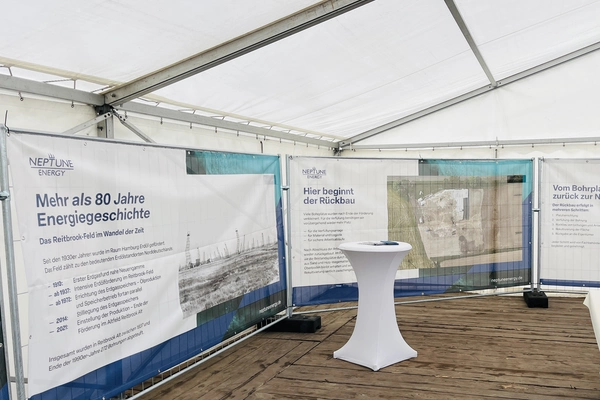
Information day in Hamburg: Plugging and abandonment explained on site
80 wells, 69 former well sites and around 30 kilometres of field pipelines: the Hamburg-Reitbrook decommissioning project is one of Neptune Energy’s largest…
learn more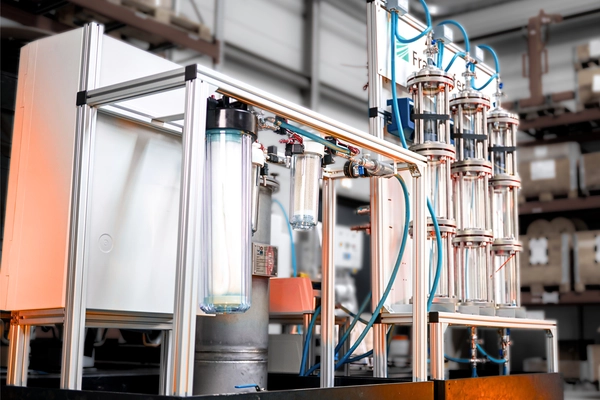
Neptune Energy launches Pilot Phase II for lithium from the Altmark region
In collaboration with Fraunhofer IEG, Neptune is testing new materials for the direct extraction of lithium from brine.
learn more