RoLiXX research project investigates domestic lithium extraction in the North German Basin
Germany has considerable potential for extracting lithium from geothermal brines. With the RoLiXX research project (Rotliegend as a lithium resource in the North German Basin - from EXploration to EXtraction), a unique nationwide research network is now being launched to scientifically investigate the sustainable exploitation of lithium from thermal water.
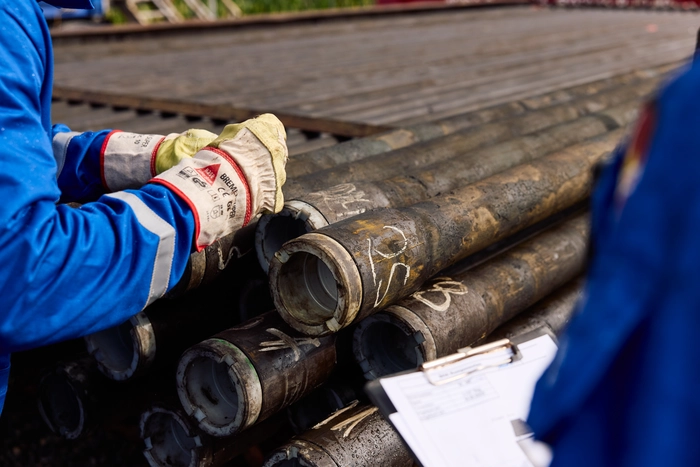
The focus is on the geological structures of the Rotliegend, a layer at a depth of around three to five kilometres. In the North German Basin, beyond the German low mountain ranges, this layer is considered particularly promising for deep waters containing lithium. By using existing deep boreholes, the origin and distribution of lithium in the Rotliegend will be systematically analysed and scientifically evaluated for the first time.
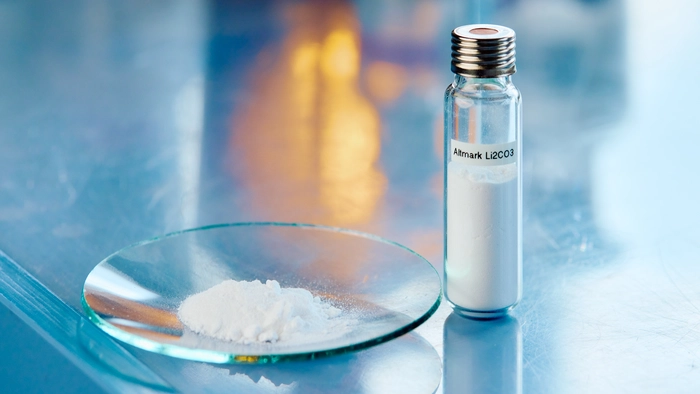
"Lithium is one of the key raw materials in the energy transition and is categorised as a critical and strategic raw material in the EU Critical Raw Materials Act. With RoLiXX, we are investigating the hitherto little-researched potential of deep waters containing lithium in the Rotliegend of the North German Basin. In the Altmark, the Rotliegend is the layer in which we want to produce lithium. We will use the results from the research network for further project development and we are actively contributing our geological and deposit expertise," explains Dominik Soyk, Lead Research and Development at Neptune Energy.
Another focus of the project is the investigation of environmentally friendly extraction through Direct Lithium Extraction (DLE). It will also examine how corrosion and the formation of mineral deposits can be effectively prevented during the production and processing of the thermal water. In the DLE process, thermal water is channelled from the depths to the surface, treated in processing plants and then the lithium is isolated using a technical process. Any remaining water is pumped back into the reservoir. This minimises the ecological footprint. Open-cast mining and large evaporation ponds - as known from Australia, Chile or China - are completely avoided.
"RoLiXX integrates a comprehensive sustainability perspective right from the start. In addition to geoscientific and technological issues, the project includes a detailed life cycle assessment, economic feasibility study and analyses of social acceptance," adds Soyk. On this basis, robust framework conditions and options for action are to be developed for future projects for domestic lithium extraction from the Rotliegend.
The project will run for a period of 36 months, is being produced under the GEO:N (Geo Research for Sustainability) programme and has a total volume of around three million euros. Neptune Energy is coordinating the activities in the research network.
The network includes the GFZ Helmholtz Centre for Geosciences Research, the Technical University of Berlin, the Fraunhofer Research Institution for Energy Infrastructures and Geotechnologies IEG and the Institute for Ecological Economy Research (IÖW).
RoLiXX (funding code: 03G0941) is produced by the Federal Ministry of Research, Technology and Space.
About Neptune Energy
Neptune Energy is one of the leading raw materials companies in Germany. With over 135 years of experience, we secure supplies for industry and society. Our goal: Today we produce what counts tomorrow. Around 480 employees in many regions of Germany and at our headquarters in Hanover are involved in three key areas of activity
Base - Gas & Oil: safe and reliable production of domestic energy raw materials
Balance - Plugging and abandonment: taking responsibility for the past and restoring nature
Boost - New Energy: actively shaping the future, for example with lithium from Germany
This is how we combine experience with progress. Neptune Energy's revenue in the 2024 financial year was €440 million. The total annual production of gas and oil was 5.5 million barrels of oil equivalent (boe).

Routine maintenance work on natural gas well
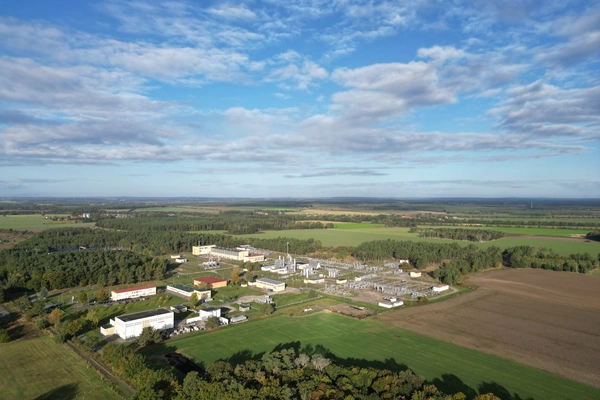
Neptune Energy will be carrying out routine maintenance and servicing work on the PES 178 natural gas well in the coming weeks.
learn more
European Commission selects Neptune Energy’s lithium project as a strategic project
The European Commission has selected Neptune Energy’s Altmark Lithium Extraction (ALE) project as a Strategic Project under the Critical Raw Materials Act (CRMA).
learn more
Information day in Hamburg: Plugging and abandonment explained on site
80 wells, 69 former well sites and around 30 kilometres of field pipelines: the Hamburg-Reitbrook decommissioning project is one of Neptune Energy’s largest…
learn more